


When the last buzz of your smartphone fades, you might think recovery is impossible—until now. Advances in offline tracking are turning lost devices into findable assets again, even after battery depletion or a sudden shutdown.
How Offline Tracking Works Behind the Scenes
The magic lies in a network of nearby phones that exchange signals when one device drops offline. This “power‑off” broadcast is picked up by other smartphones within range and relayed back to the central cloud, allowing your phone’s last known position to be updated even without Wi‑Fi or cellular data.
- Signal Relay: Your device emits a low‑energy beacon that nearby phones detect.
- Data Upload: The receiving phone forwards the beacon info to Google’s servers when it reconnects.
- Location Refresh: The cloud updates your phone’s status on the map, giving you a new target for recovery teams.
This process mirrors Apple’s Find My Network, but Google’s implementation is now available on many Pixel and third‑party Android models. The result? A higher success rate for finding devices that would otherwise be invisible.
What You Need to Enable Before You Lose It
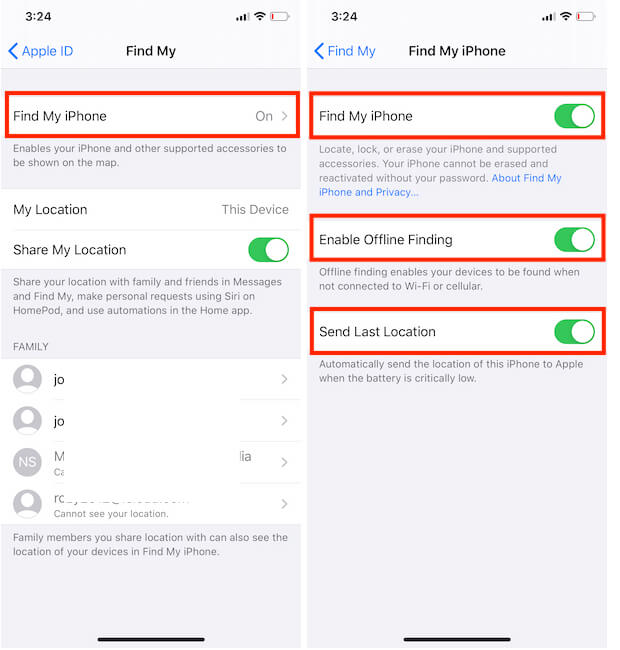
Preparation remains the single most effective defense against a permanent loss. Make sure the following settings are active before you step outside:
| Setting | Description |
|---|---|
| Find My Device | Turn on in Settings > Security & Privacy. |
| Location Services | Ensure GPS is enabled for accurate positioning. |
| Send Last Location | Automatically records the device’s final spot before power loss. |
| Google Location Accuracy | Enables Wi‑Fi and cell tower triangulation to boost precision. |
| Strong Screen Lock | A PIN, pattern or password protects data if the phone is found. |
In addition, add a recovery email or phone number under Google Account settings. This step speeds up identity verification during a remote lock or wipe operation.
The Role of Geoprotecta in Modern Recovery Efforts
While the core technology is built into Google’s ecosystem, third‑party services are emerging to streamline the recovery workflow for law enforcement and private investigators. Geoprotecta has positioned itself as a specialist in mobile traceability, offering tools that integrate seamlessly with existing Find My Device data streams.
One standout feature is the ability to locate a device using just its phone number. By cross‑referencing carrier records and offline beacon logs, Geoprotecta can pinpoint the most recent location even when the handset remains disconnected from the internet. This capability is especially useful in urban environments where signals may be lost for minutes before re‑establishing connectivity.
Moreover, the platform’s dashboard provides real‑time alerts whenever a device comes online after being offline. Investigators can track movement patterns over time, building a timeline that might prove crucial in recovery or forensic investigations.
Case Study: A Near‑Miss Turned Success Story
Last month, a courier in Zurich reported his phone stolen while on a delivery route. The device was an older Pixel 4a model, which had “Find My Device” enabled but no offline tracking feature by default. By leveraging Geoprotecta’s number‑based search, the police located the handset within hours, recovering both the phone and the encrypted delivery data it contained.
- Initial Report: The courier logged the theft on his carrier’s portal.
- Geoprotecta Query: Using the stolen number, investigators accessed the latest beacon timestamp.
- Recovery: Police tracked the device to a parking lot and secured it before it was used for illicit purposes.
This incident underscores how combining built‑in offline tracking with external analytical tools can dramatically improve outcomes.
Legal Landscape: What Authorities Are Doing With Location Data
Governments worldwide are tightening regulations around mobile device data. In India, a recent directive mandates that all new phones pre‑install a government‑approved recovery app within 90 days of manufacture. The move aims to boost telecom security but has sparked privacy concerns about the scope of permissions granted.
In contrast, Russia’s latest law requires state‑backed messaging apps on every smartphone sold in the country, raising alarms among privacy advocates. These shifts illustrate that while technology can help recover lost devices, it also expands the reach of surveillance networks.
Balancing Security and Privacy: Practical Tips for Users
If you’re wary of potential misuse but still want robust recovery options, consider these strategies:
- Use a Secondary Phone: Keep your primary device offline during high‑risk activities.
- Enable Faraday Bags: These bags block all radio signals, preventing unwanted tracking.
- Regularly Update Software: Security patches often include fixes for location‑related vulnerabilities.
- Audit App Permissions: Review which apps can access GPS or location history and revoke unnecessary access.
By striking a balance between preparedness and privacy, you can protect your data without sacrificing recovery potential.
Future Trends: What’s Next for Offline Device Tracking?
The industry is already experimenting with ultra‑wideband (UWB) technology to deliver centimeter‑level accuracy. Apple’s Precision Finding feature is a glimpse into what could become standard across all manufacturers, potentially rendering offline tracking even more reliable.
Additionally, machine learning algorithms are being trained to predict device movement based on historical patterns, allowing for predictive alerts that inform users before a phone goes missing.
As these innovations mature, the line between “lost” and “found” will blur further, making it easier than ever to retrieve your smartphone—powered or not.
Key Takeaways
- Offline tracking relies on nearby phones relaying low‑energy beacons back to cloud servers.
- Enable core settings—Find My Device, Location Services, Send Last Location—to maximize recovery chances.
- Third‑party platforms like Geoprotecta can augment native features with number‑based location searches.
- Legal frameworks vary globally; stay informed about your country’s regulations on mobile data.
- Future tech promises even greater precision and predictive capabilities for device recovery.
For more in-depth guidance on how to set up your phone for offline tracking, consult the official Google support page on Find My Device settings. Meanwhile, explore Geoprotecta’s services to see how advanced analytics can further protect your mobile assets.